We get up at 4:30am on Wednesday, June 4th, to leave the hotel by 5 to catch a POD back to the airport. The receptionist is on her game this morning and charges us for the ride over, £8 each… but I figure since this is our fourth trip by POD, which should have cost us £32 each total, but ended up only costing us £8 a piece, we definitely got a great deal!
We’re at the airport by 5:15 for our 7:55 British Airlines flight to Ponta Delgada, Azores, Portugal. Nothing is open in the airport yet, but people and languages from around the world are starting to file in and by 6am, we have a place open to get an espresso and a bit of food. I’ve never seen a menu with caviar on it and I AM feeling a bit bougie but instead of caviar, I opt to try Buford brown eggs and soldiers – hard boiled eggs and strips of toast – but it feels so much more posh if you say it as eggs and soldiers.


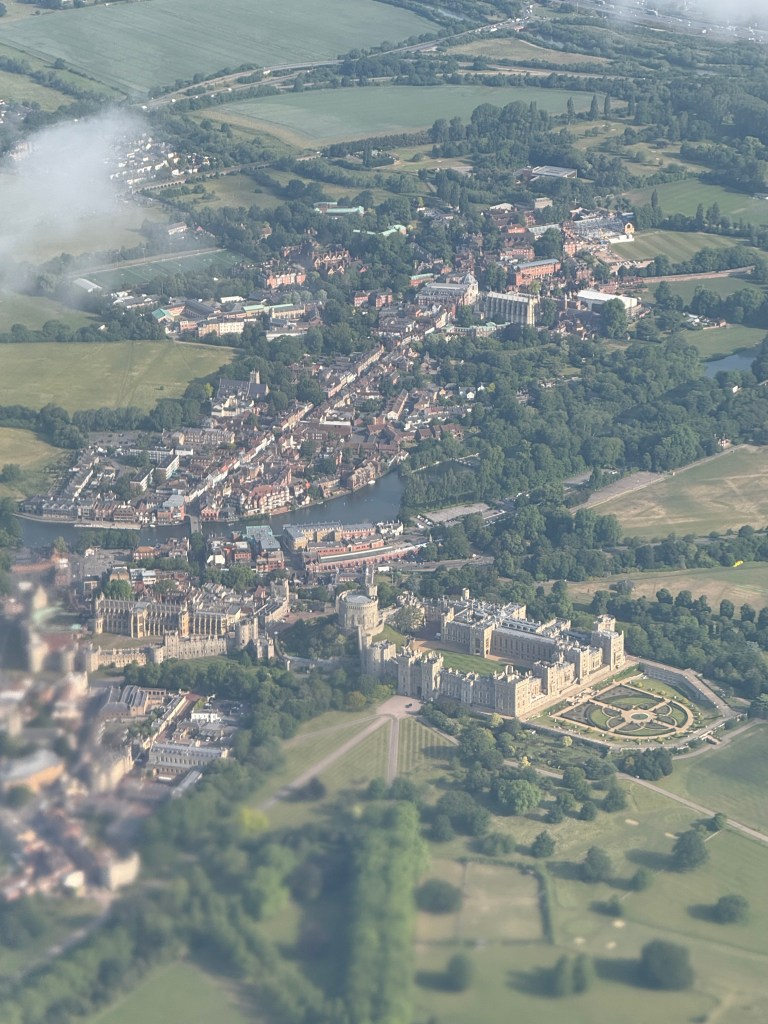
We say goodbyes to England, I see my last English castle on the way out and head to Ponta Delgada. A few hours later, we’re landing and that’s where the fun really starts. We land and everyone is in line to go through customs and get our passports stamped. I’m thru and head for the baggage entrance and walk thru. A few moments later, someone taps me on the shoulder to get my attention because my family is on the other side of the door waving at me. Apparently, I shouldn’t have walked thru the baggage door because we have a connecting flight. Oy vey! Now, I have to go back thru security and get re-screened to catch my connection. It’s not a big deal but what a dummy I am! Through security again, I see our flight has been delayed, which is the first of many… every single SATA (Azores Airlines) flight we take has some delay… 10 minutes or hours.
We’re ready to board and we walk to the gate only to hear loud voices. There’s two ladies arguing with the gate agent. They’re yelling in English, but they’re not American, so that was positive. They’re cursing at the agent because apparently they don’t have their boarding passes and they’ve been sitting there for two hours for their flight they are telling e agents. How they managed to get thru security without passes is not possible, so I’m guessing they had been enjoying the bar area for a bit and perhaps lost them. Being the journalist that I am, I’m trying to get my phone out to record. The agent is telling them it’s not their fault that the passengers cannot pay attention, when one lady reaches over and punches the agent in the shoulder and screams fu*k you… and I’m cursing that I wasn’t quick enough to record. I finally get to recording and catch the tail end with the lady storming off, crying and still screaming FU. The agent is saying that was very disrespectful and she will not have someone touching her at work, and that she was calling the police. The other passenger is asking the agent what was going to happen, how are they suppose to get on their flight, to which the offended agent says, “You’re not going any where except to follow me to the police,” and storms off. They both leave and I figure out how to immediately get my camera to pull up with the touch of one button so I’m ready for the next incident.
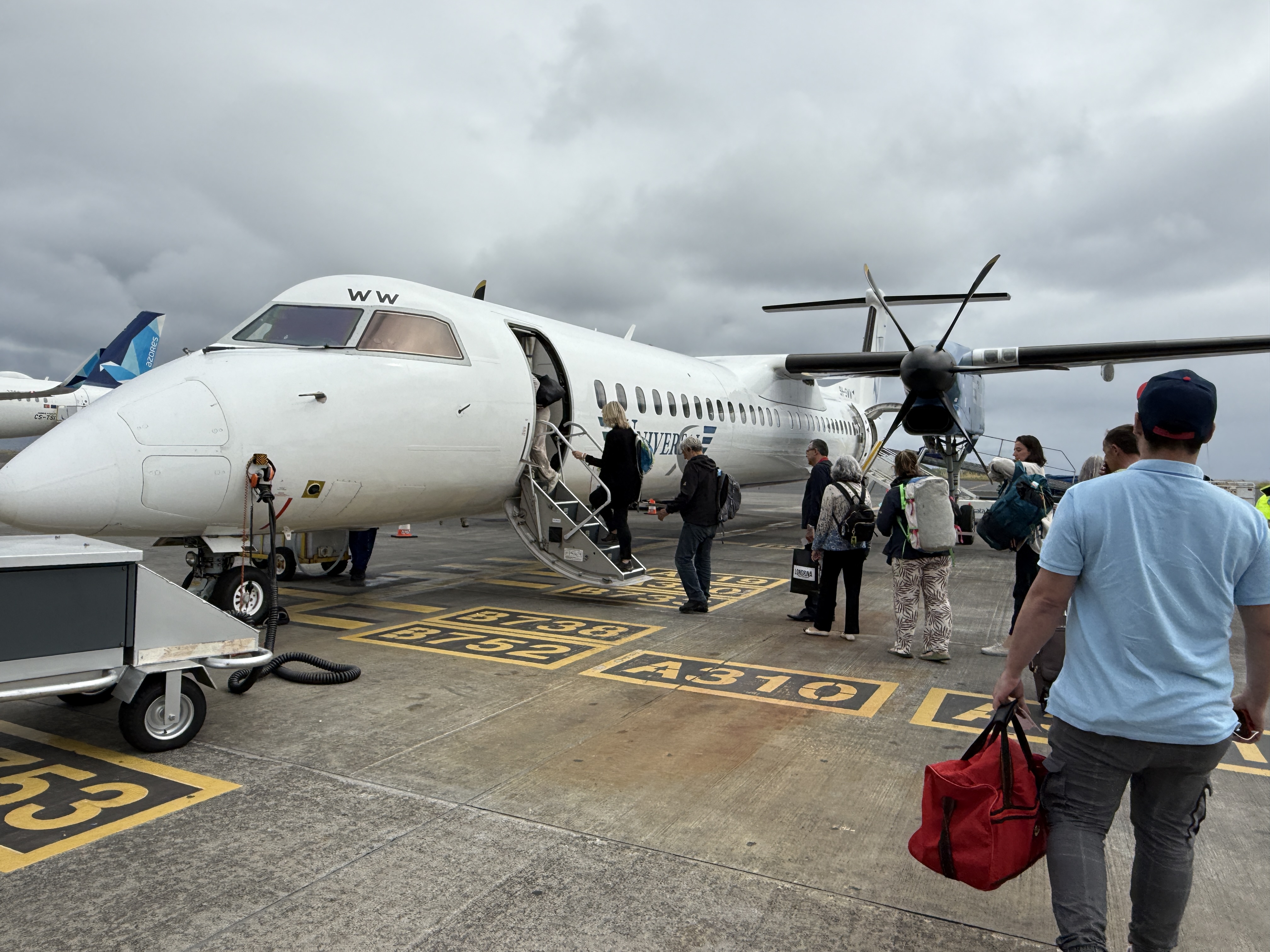
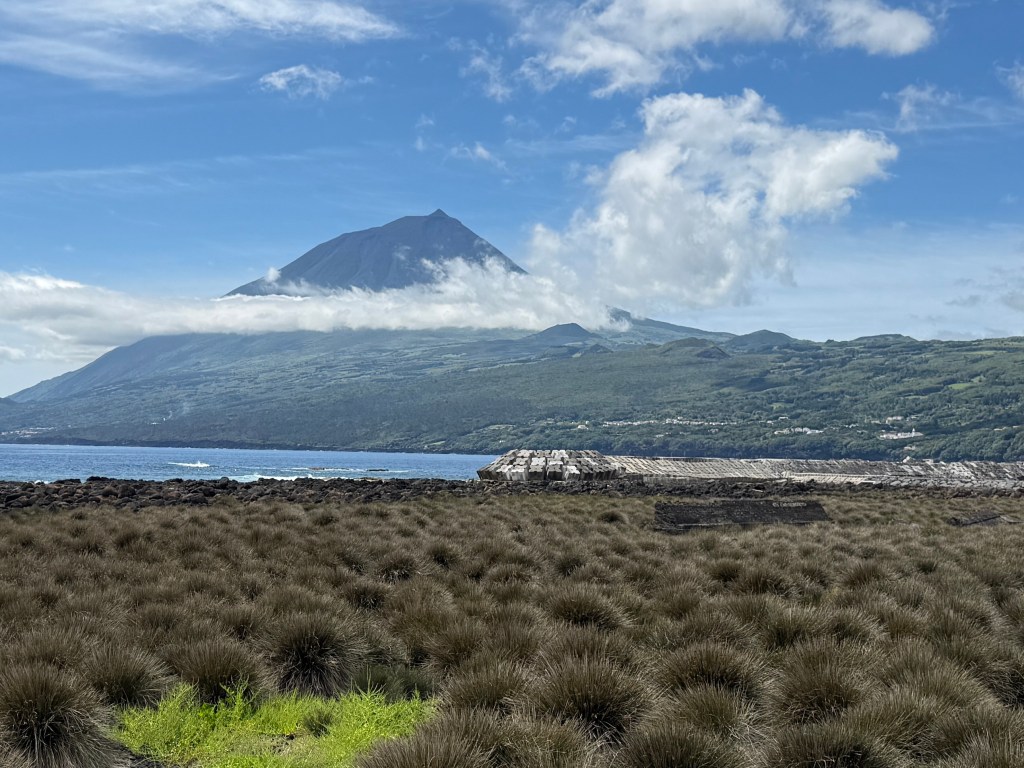
We’re finally called to the plane an hour or so later, and I see the aircraft is a prop plane so I feel like I’m back in Bermuda again in the 70s. We’re being led across the tarmac to the plane and soon we’re up in the air headed to the island of Pico – Ilha Preta – the black island, named as such because of the volcanic stone and sand.
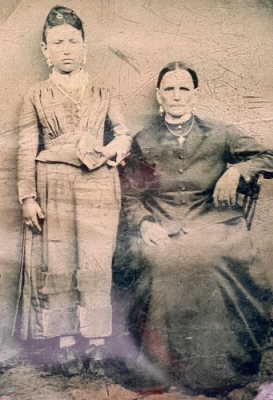
This is the island my great-grandmother, Maria Esteria da Brum (1877-1962) was born, as was her mother and her grandmother. My Great-Great Grandmother sent Maria, later known as Mary Brown in Bermuda, to America when she was about 10 in 1886. In Fall River, Mass., she met my Great-Grandfather, Antonio de Mello, married, and lived the rest of her life on the island of Bermuda. My Nana, Angelena Dorothy Mello, born in Bermuda, was their youngest daughter.
Pictured, is my Great-Grandmother, Maria Esteria de Brum and her mother, Izabel de Conceição (1836-1914), circ. 1886. I believe she’s dressed up and a final picture taken before she is sent to America.
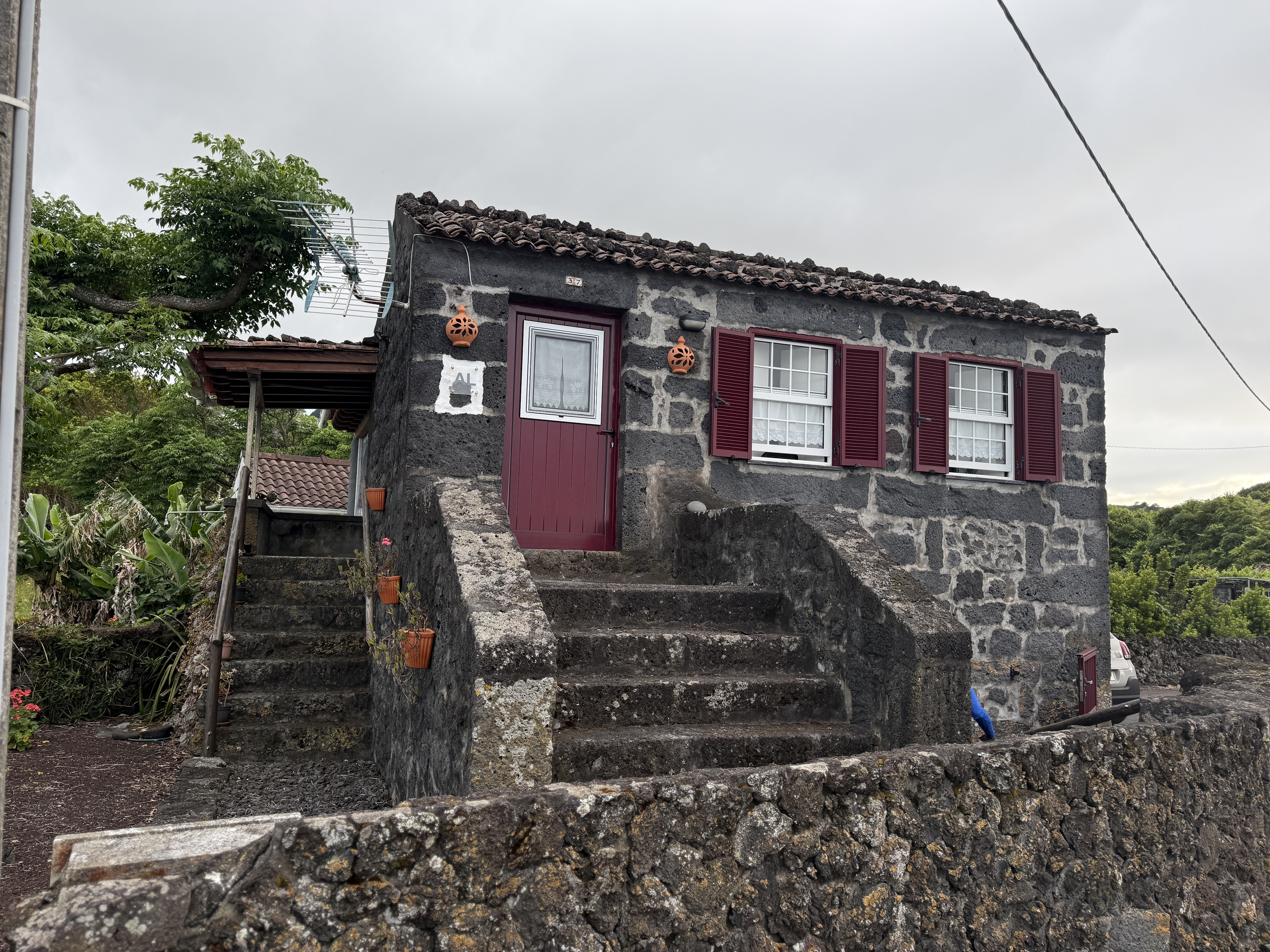
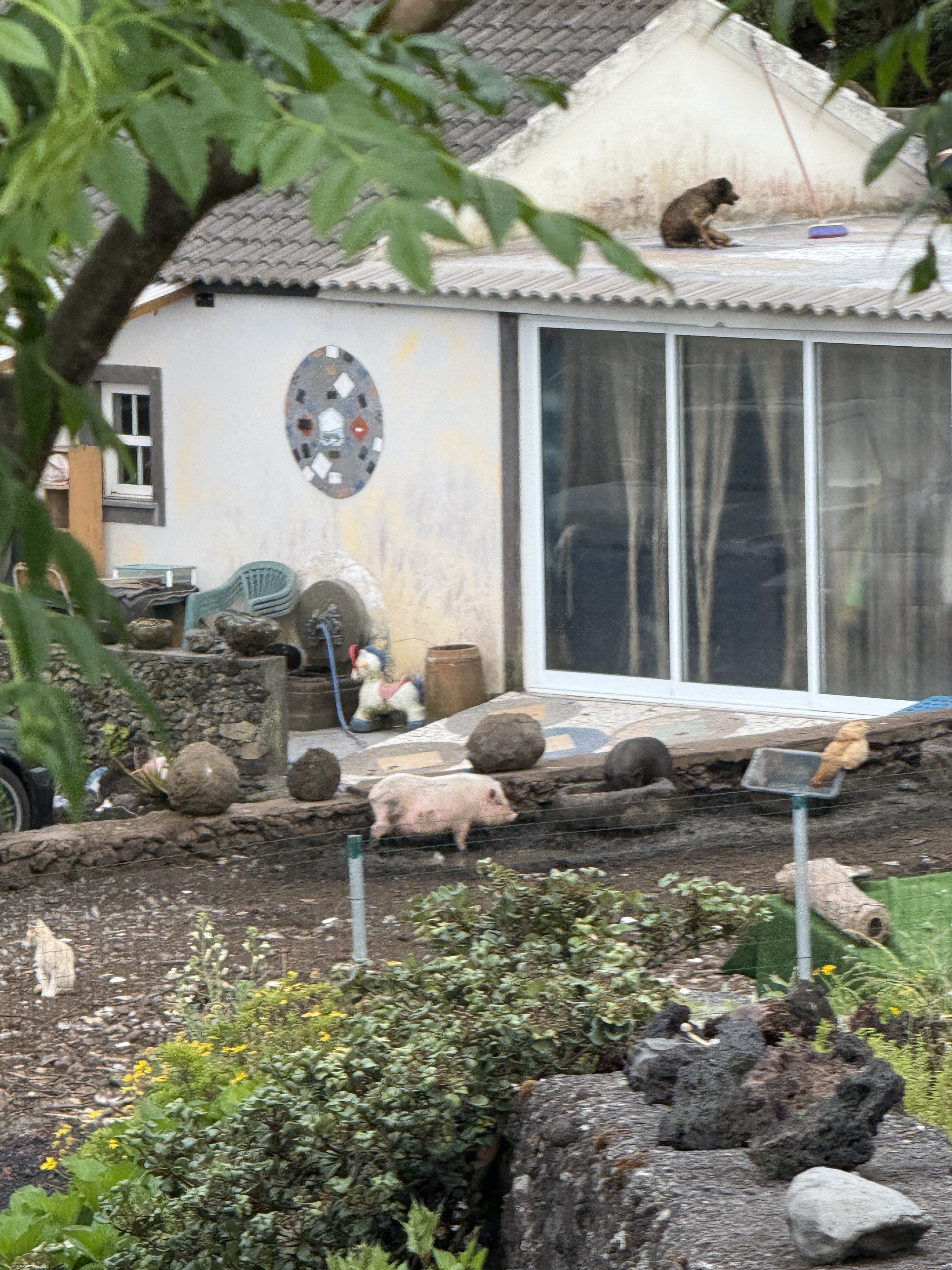
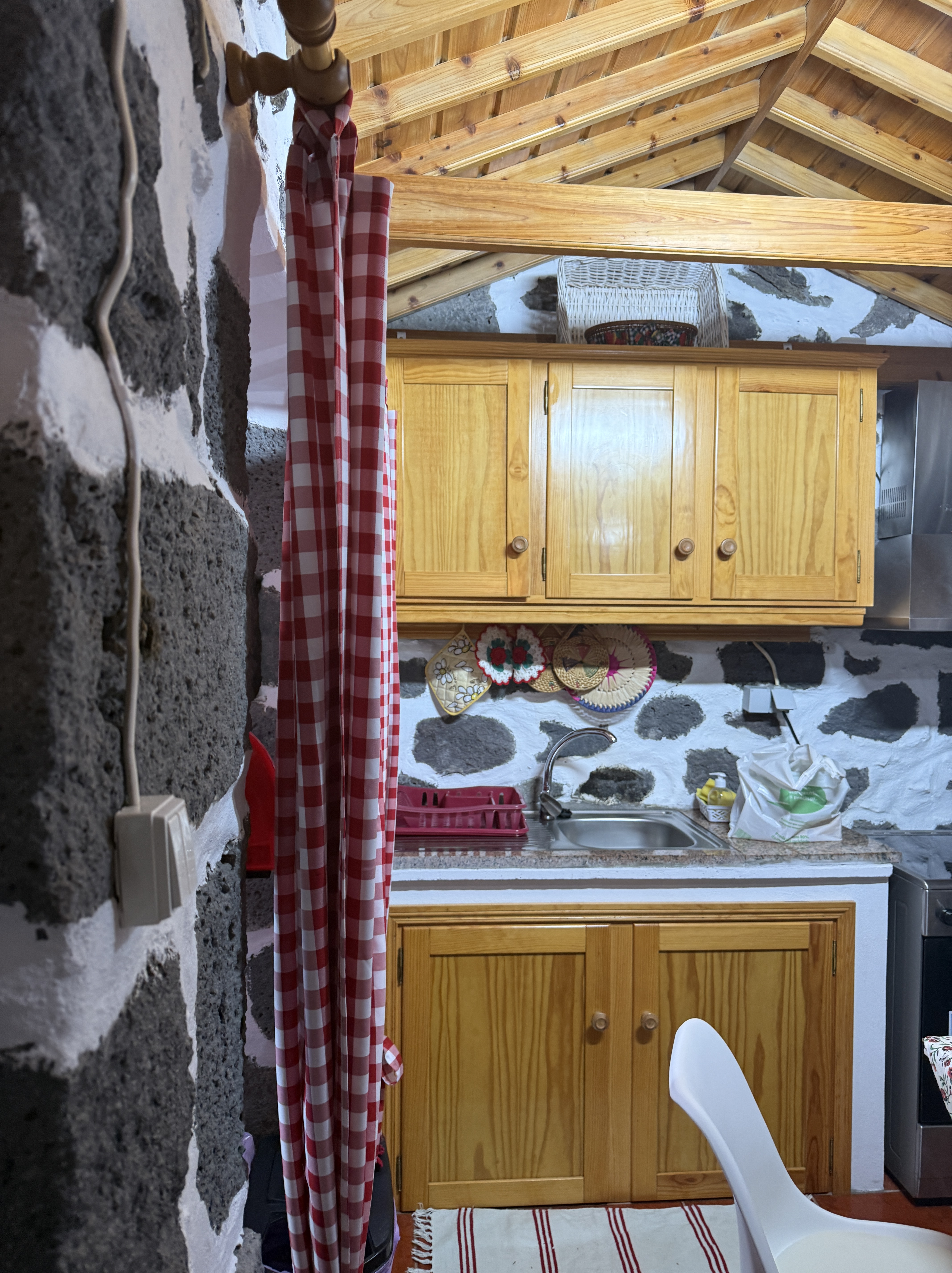
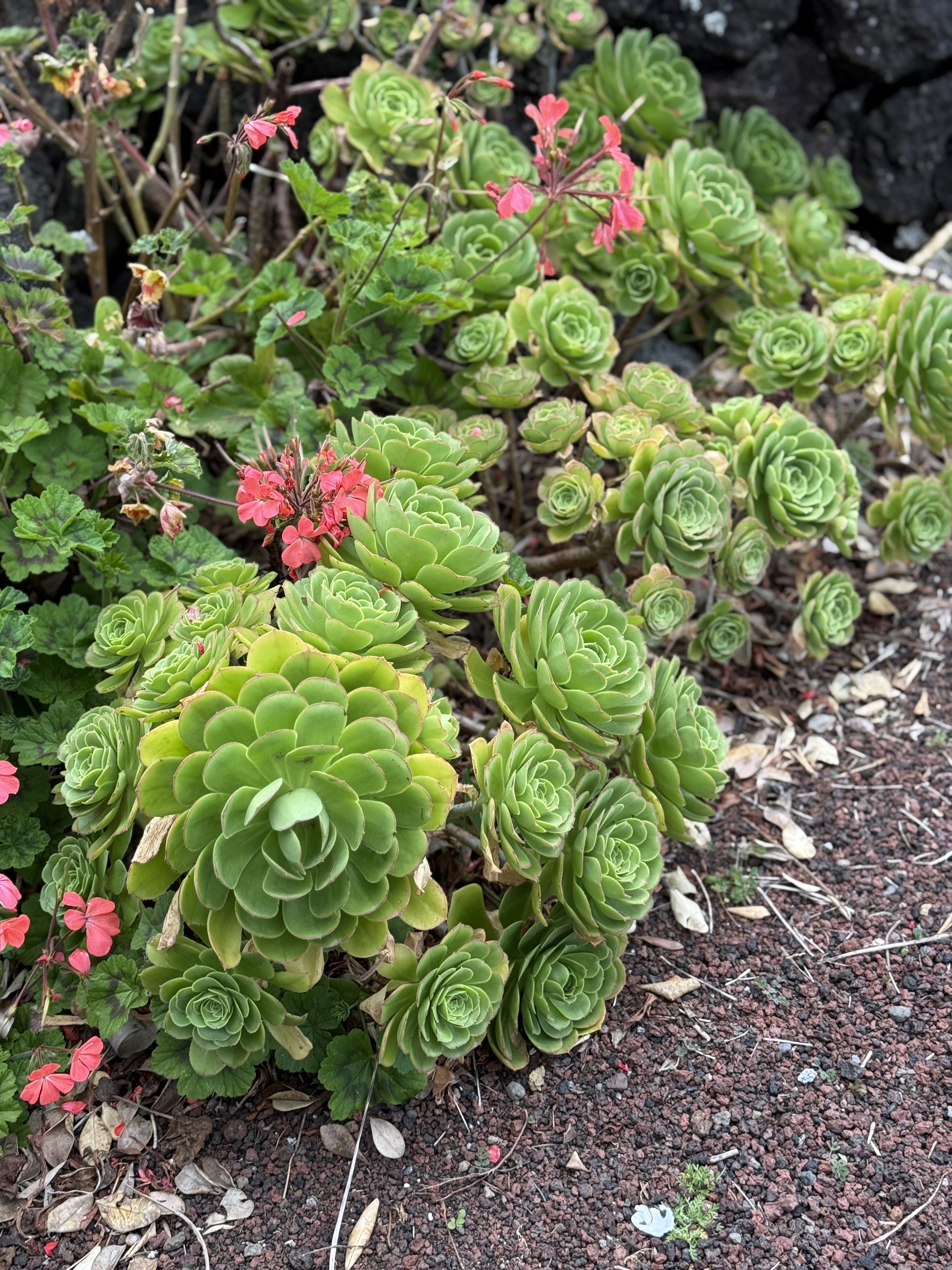
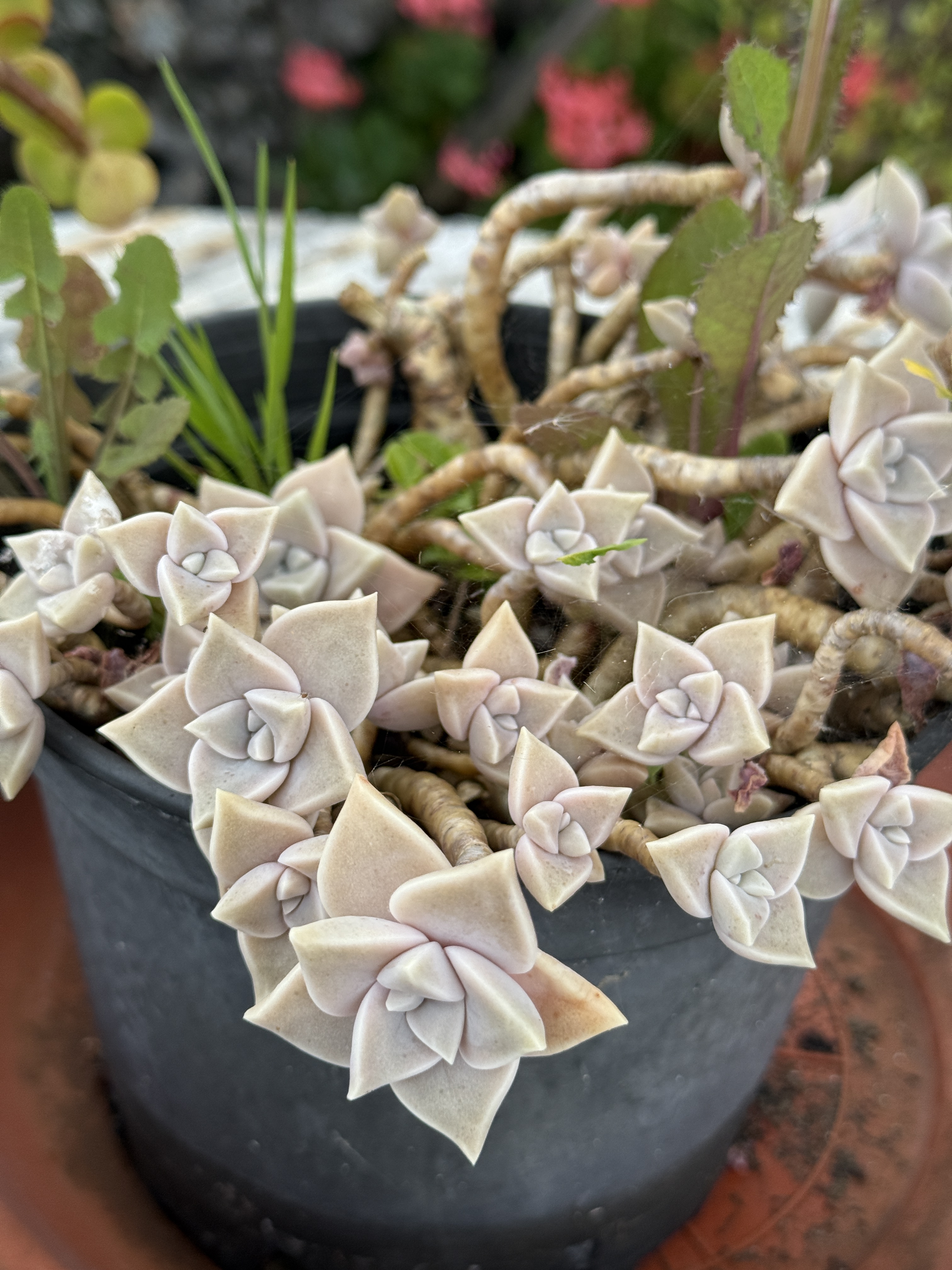
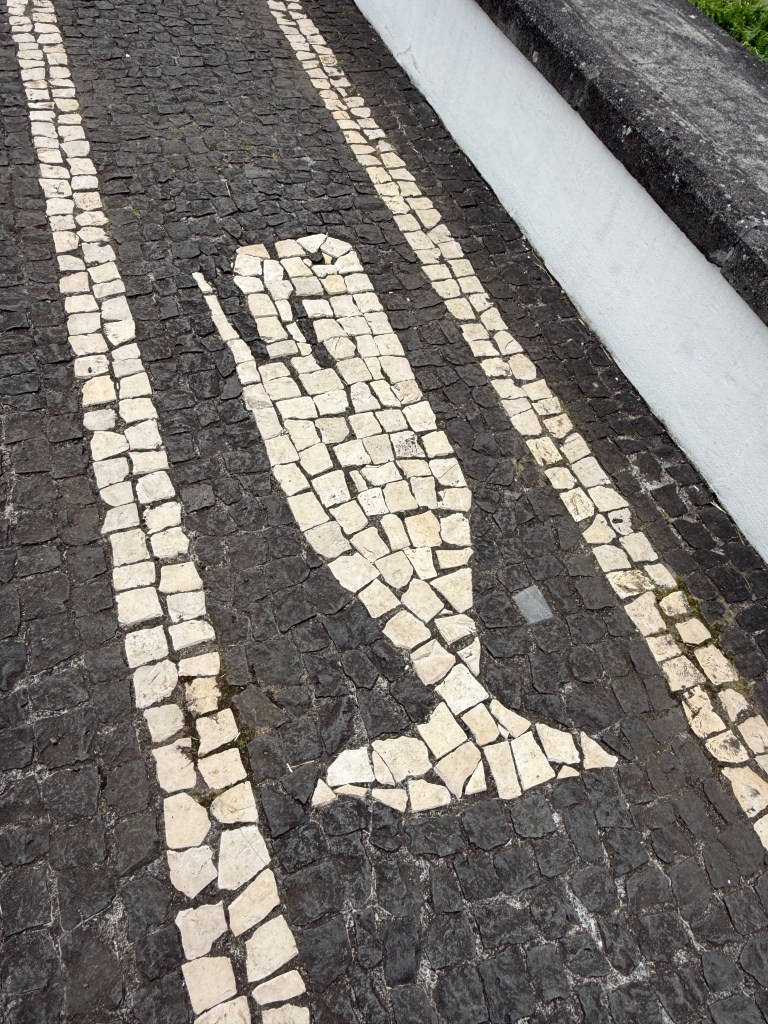
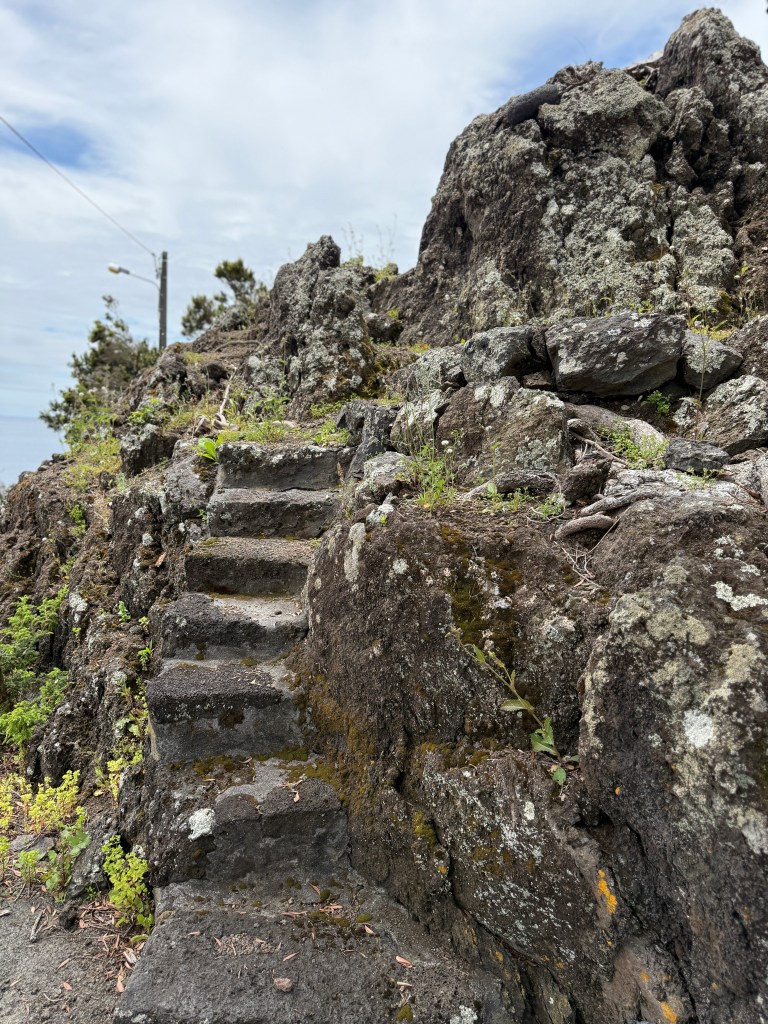
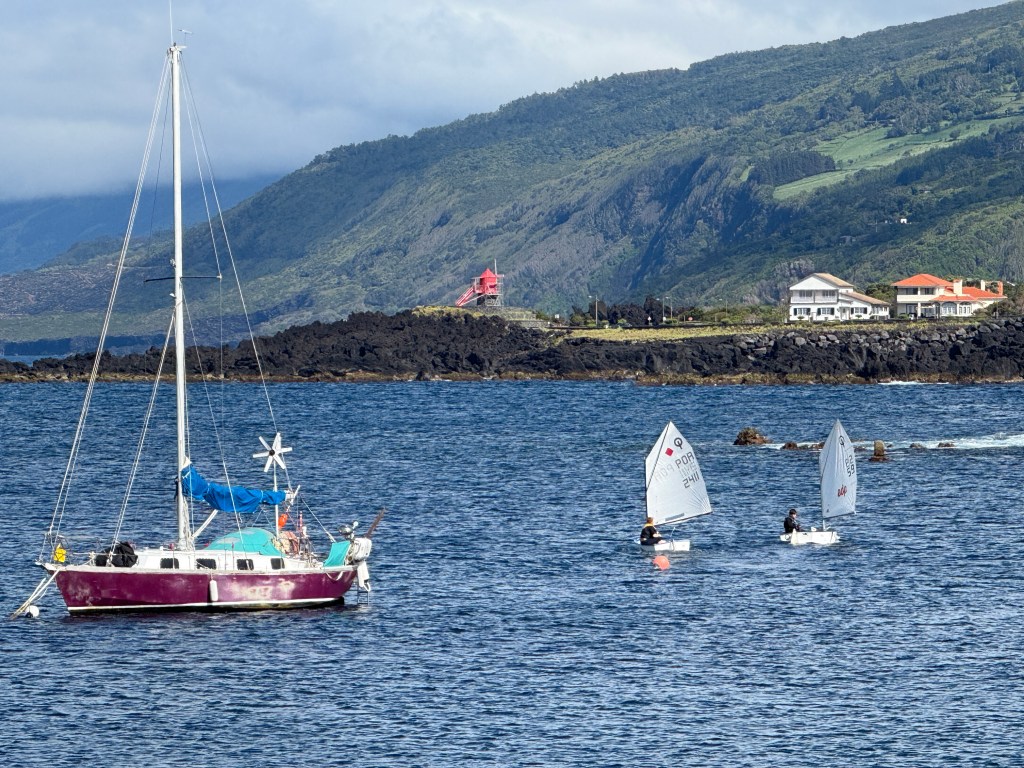
The Azores are a group of islands belong to Portugal. Pico is the second largest island of nine and it is also the home of the highest mountain peak in Portugal. Evidence of it being a volcanic island is everywhere! Black rock and black sand, buildings black and white, roadways and walkways. Everything is made from volcanic rock. We have a rental car because we’re staying at a little place about 30 minutes or so from the airport. The directions tell us to take a left off of the main road and then all of a sudden we find our selves driving on dirt roads through fields. Many of the houses on Pico are off the beaten path… and road, for that matter. We make it to the house we’re renting, and after a search to locate the key, we’re in. It’s an interesting little place, a bit dated and definitely not up to American standards, but it’s also not quite like camping. I actually enjoyed it, especially the little farm that was next door. The home had lots character and loads of flowers and I have never seen so many different types of succulents in its beautiful garden.


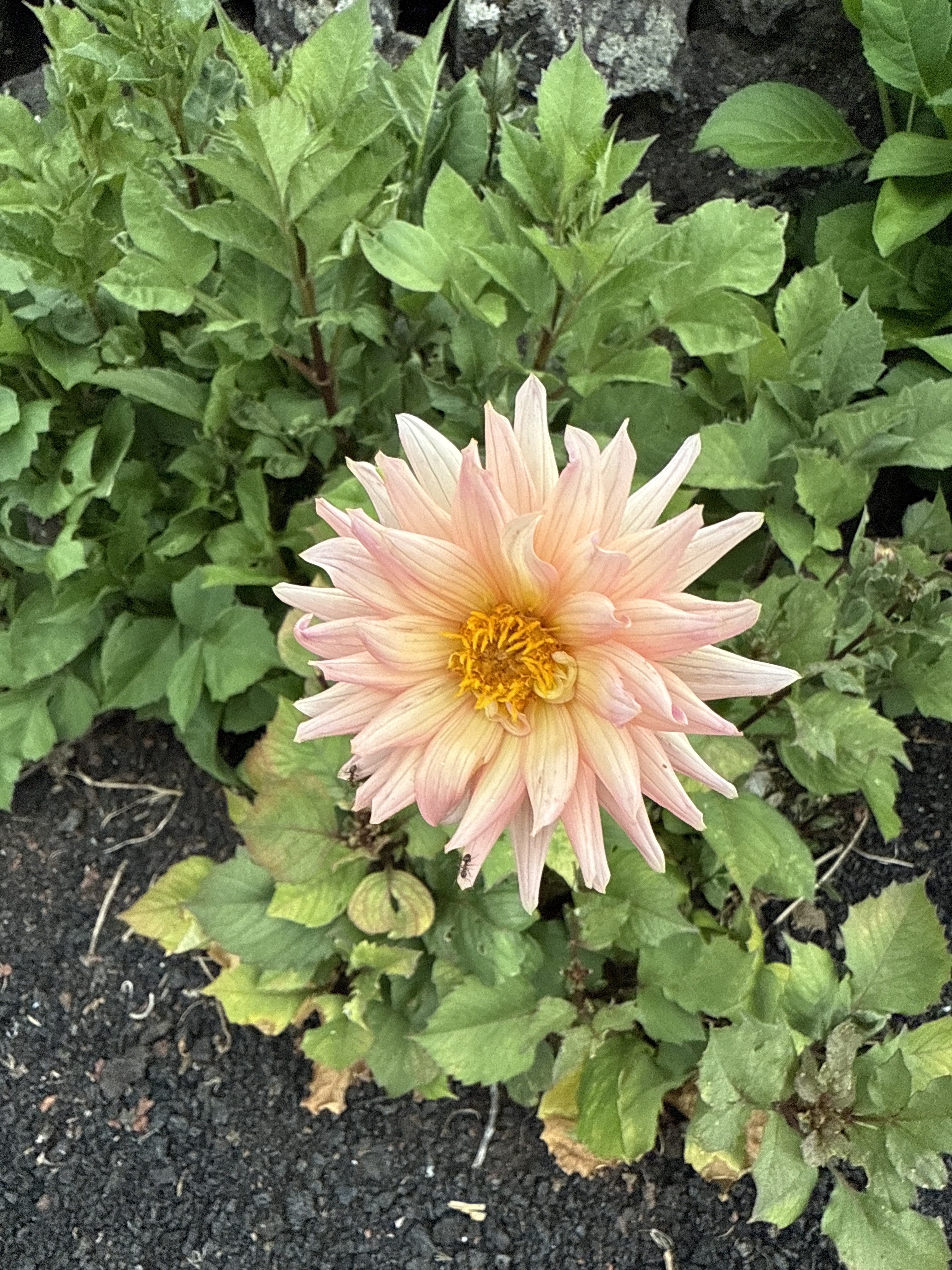
The next day we explore the center of the town my great-grandmother was born in, the seaside port of Lajes do Pico. There, I meet a lady named Grasa or Grace, as she tells us to call her. She’s probably a relative she said, but she’s not sure how far back. She tries to connect me to a retired school teacher who is the David Gwinn of Lajes do Pico, and who has done a lot of our family history. Unfortunately, she’s getting a little bit elderly and she wasn’t feeling too well so we couldn’t connect. So instead, we walked to the local church which I discover was rebuilt after my great-grandmother left the island, then we went up to the local cemetery to see if our grandparents could be found but all the graves were more modern. Apparently, families have to pay to have their families perpetually listed on headstones, or they are reused. So instead, I walk next door to the city municipal office. I was told they could help with deaths and burial records, but I struck out there too. So, we walked next door to the local convent, the Convent of São Francisco, but they were closed too… but the cleaning lady was in and Carol talked her in to letting us peek in for a moment.
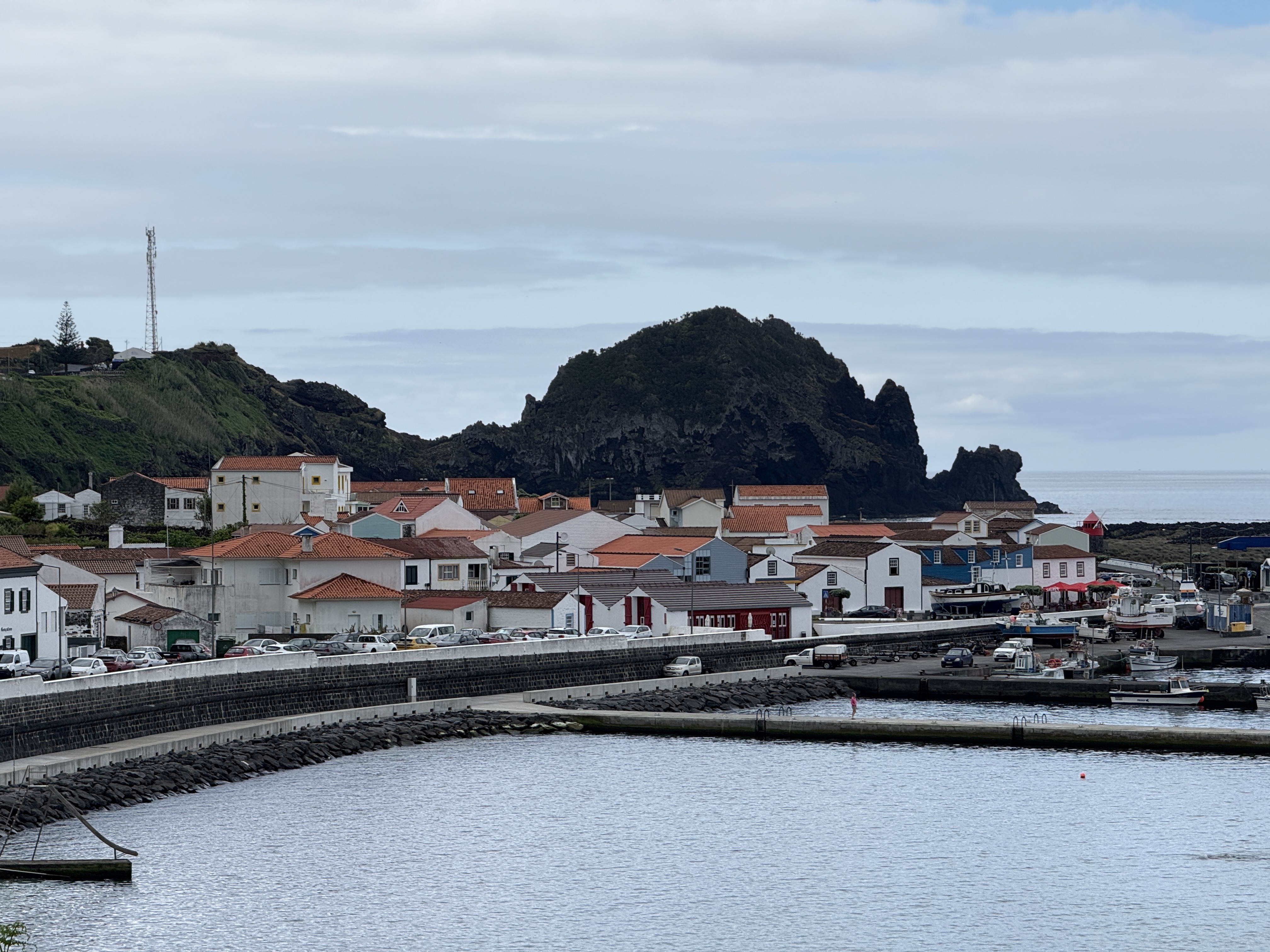


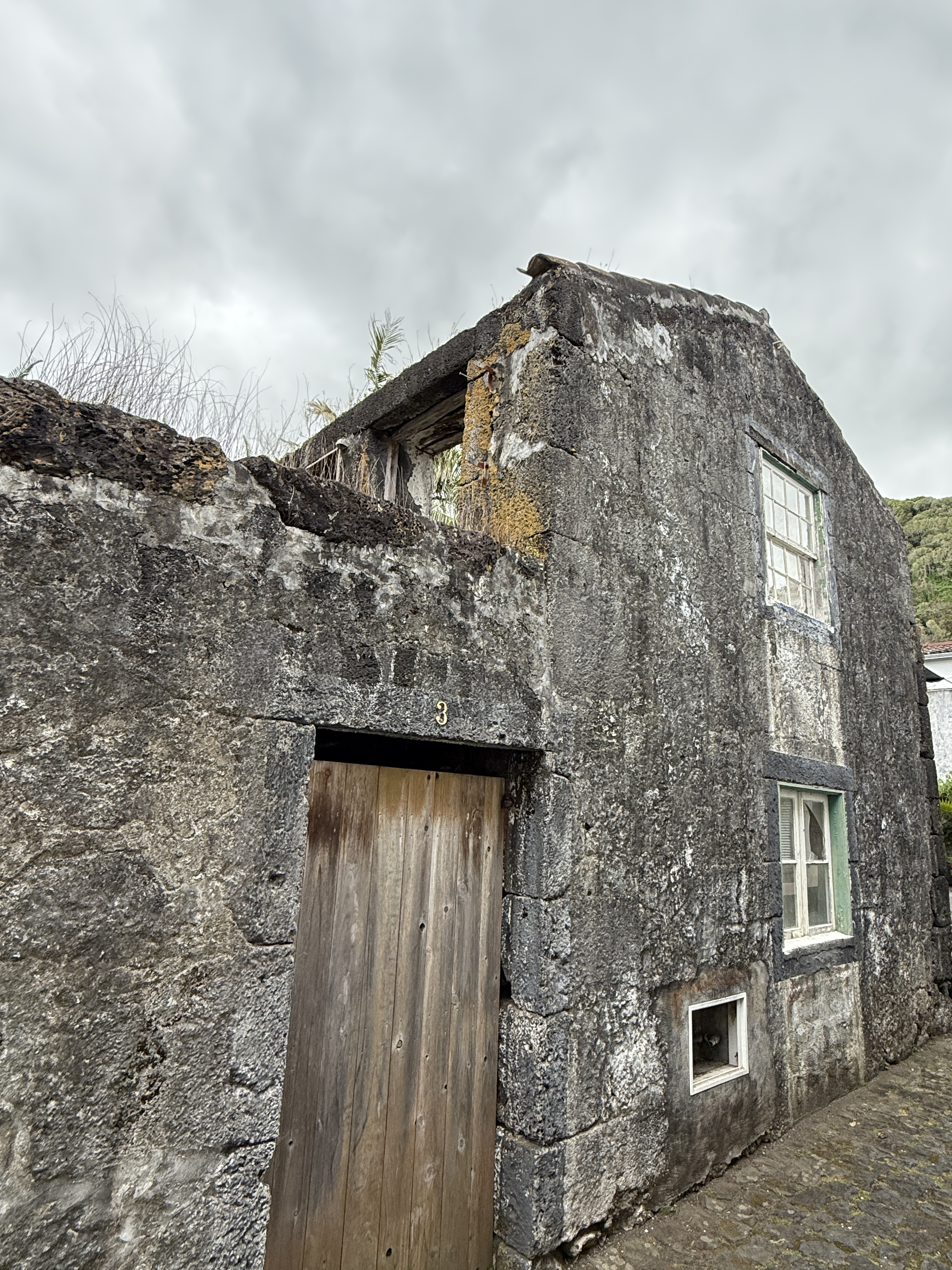
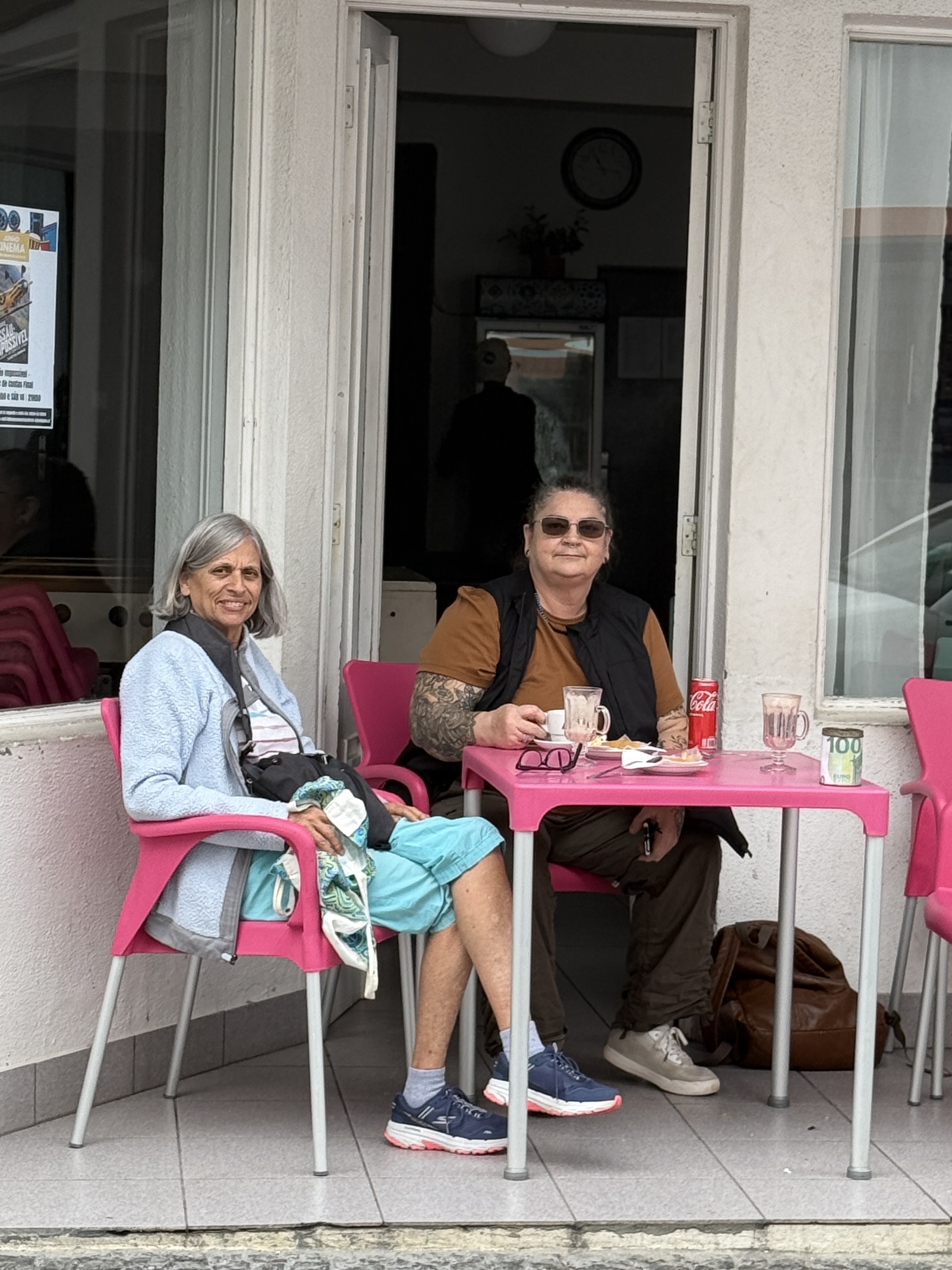
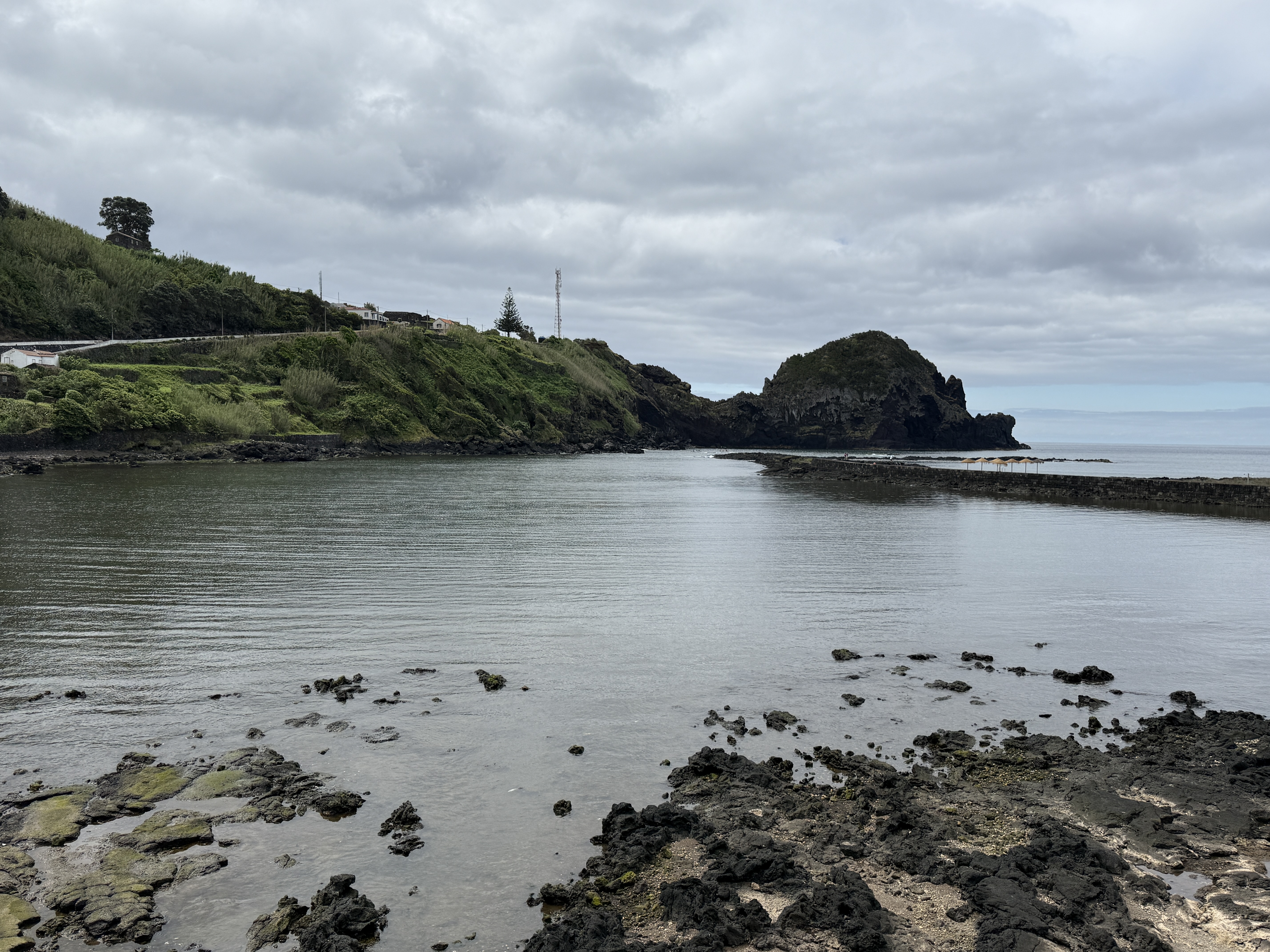
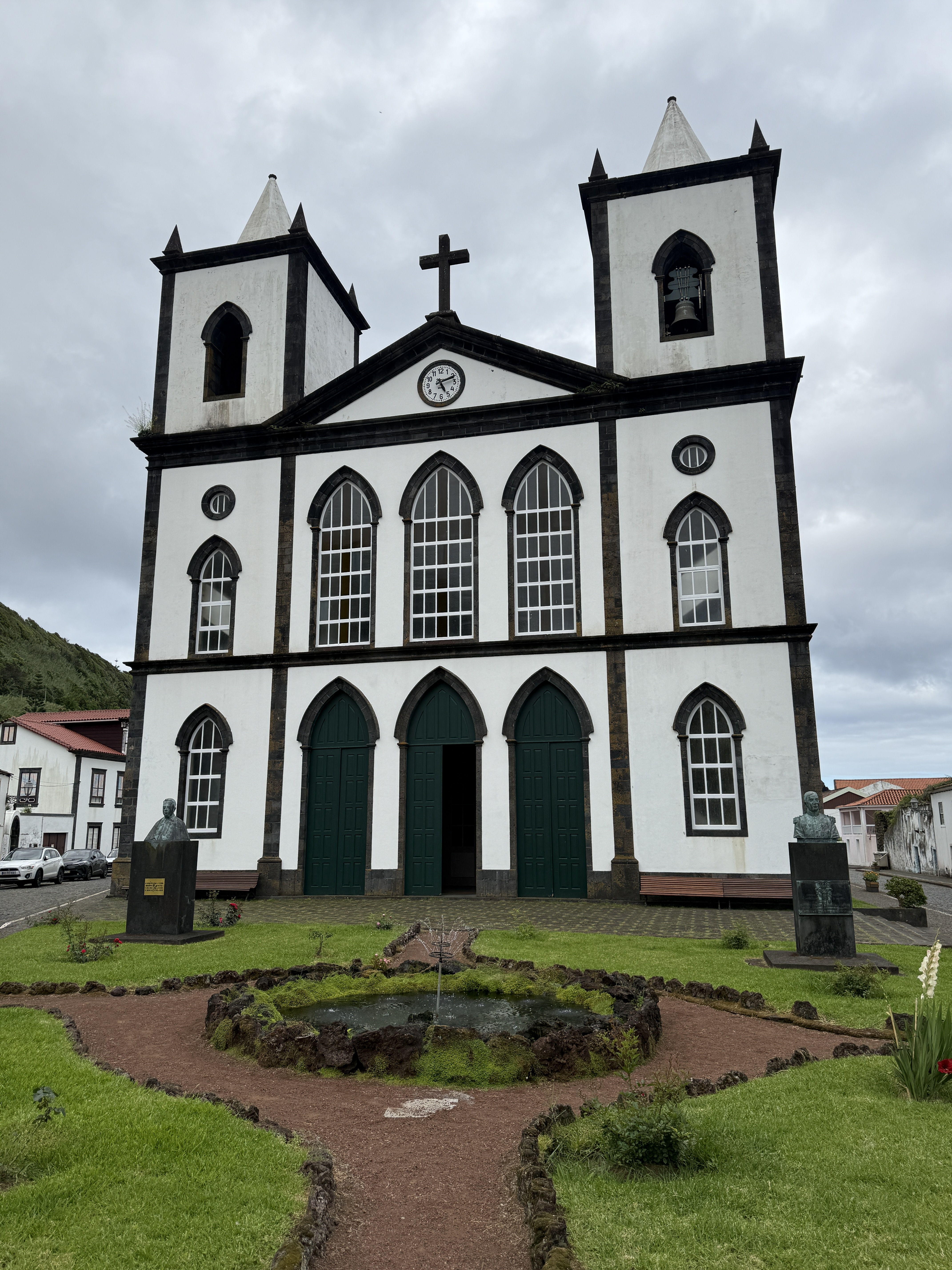


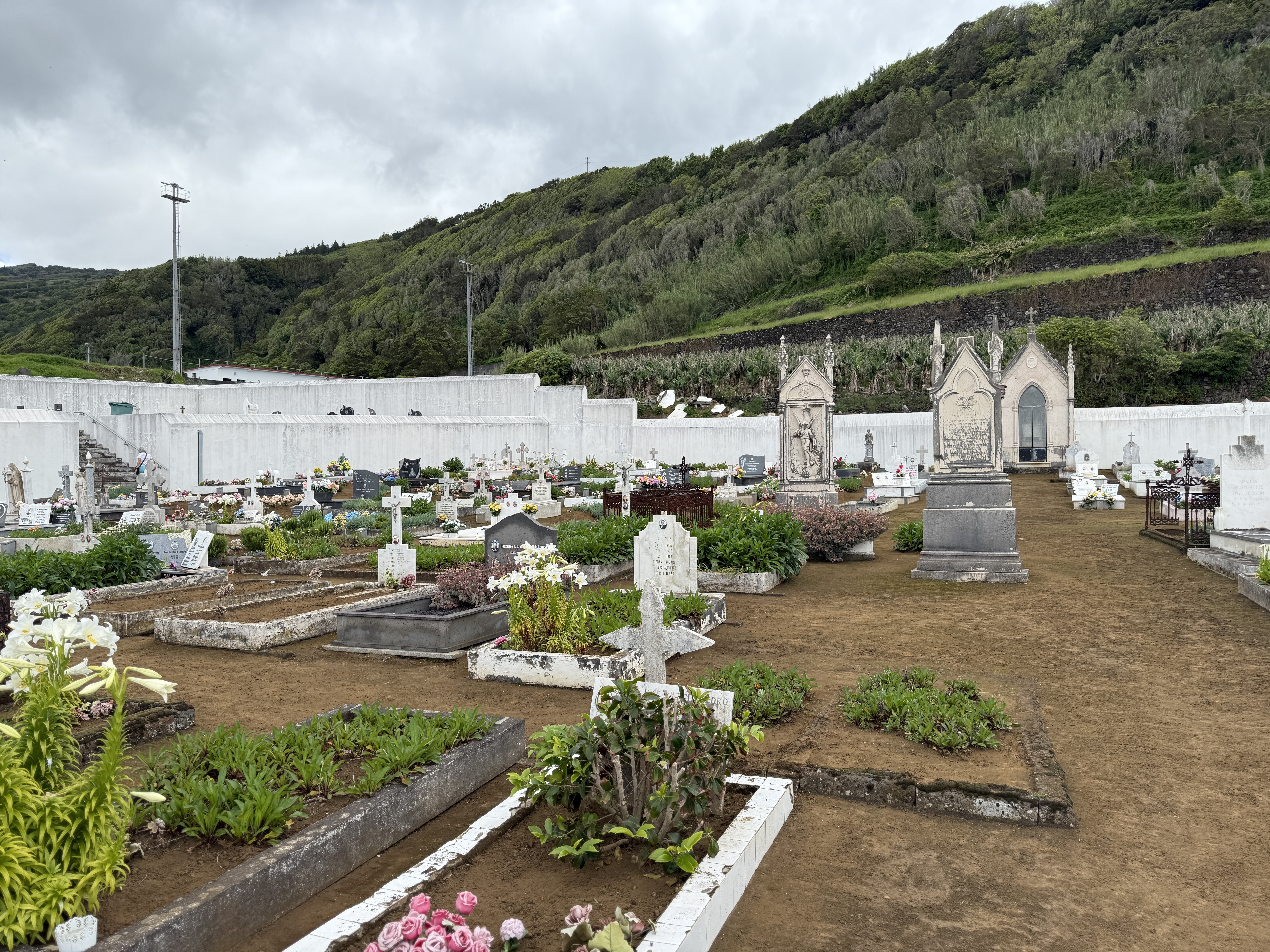
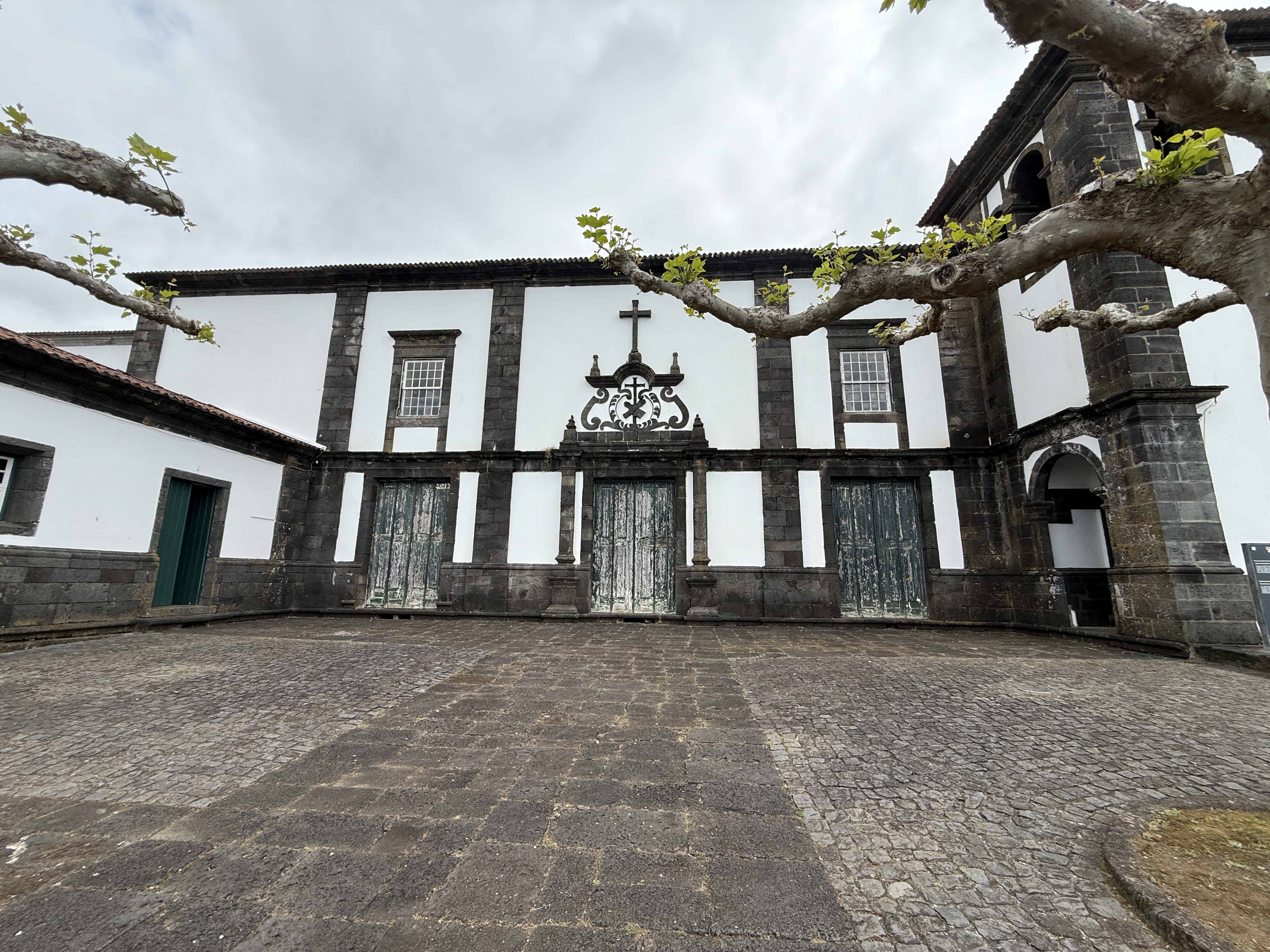

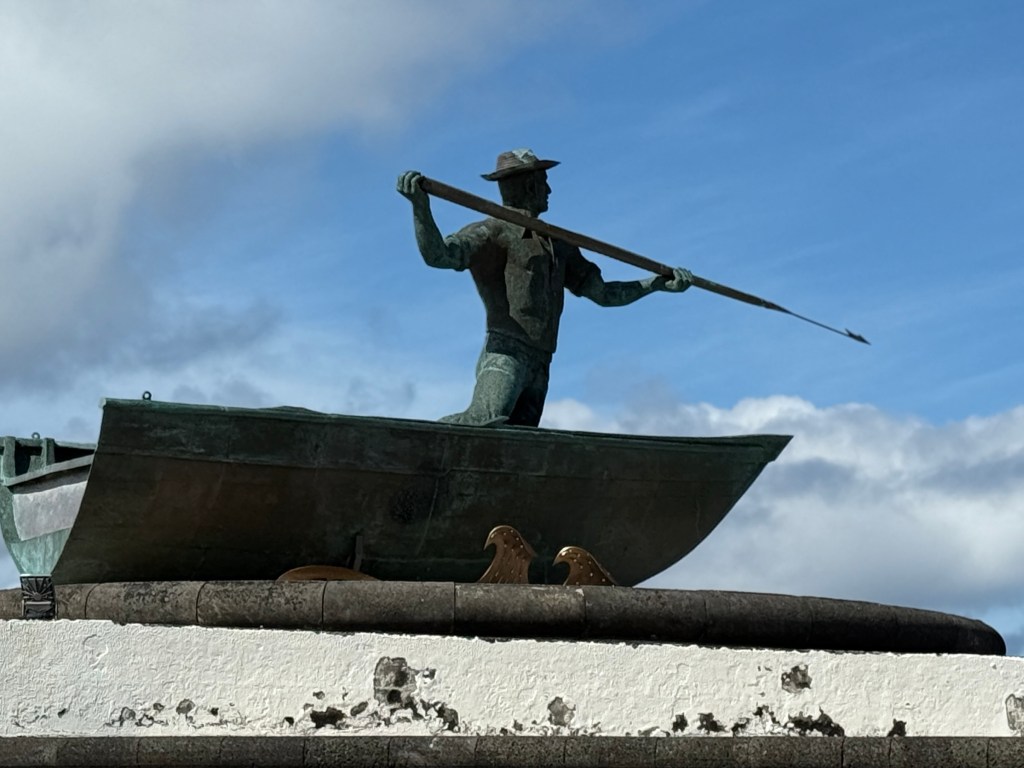
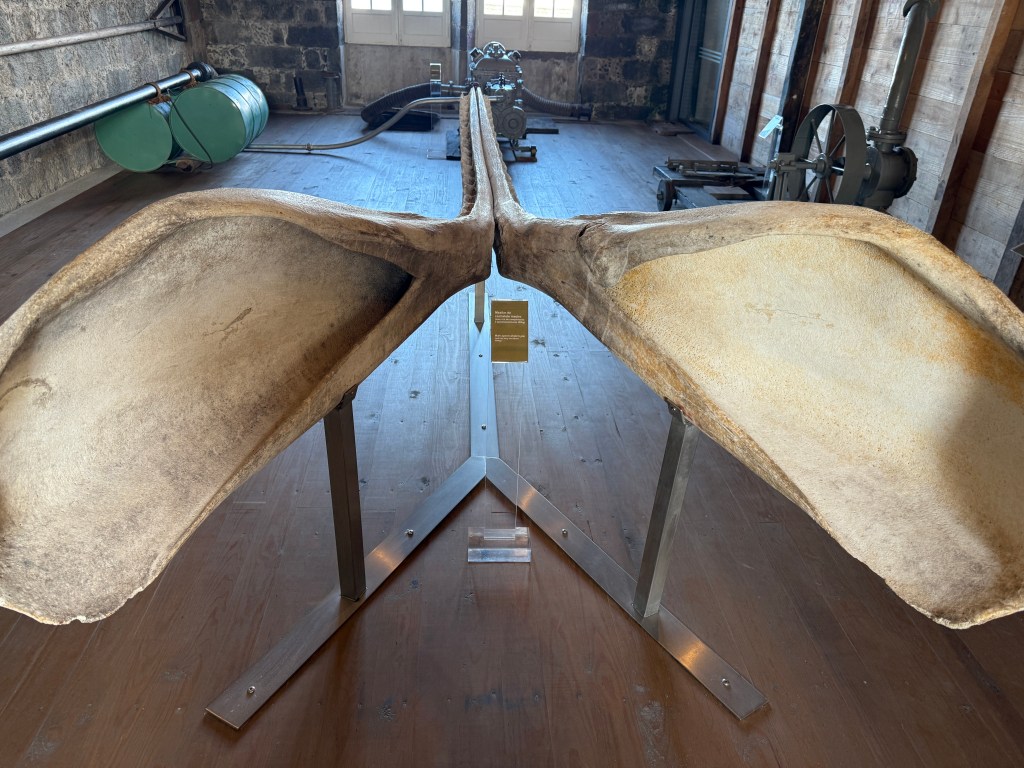
Although, the house my Great-Grandmother lived in is no longer standing, we’re told the city hasn’t changed a whole lot. They no longer work as whalers, but tuna has made several very rich. They have a very nice museum, Museu dos Baleeiros (Whale Museum), housed in the old warehouses the whales were processed in, dedicated to that period of history. I even saw a few familiar names from my research.
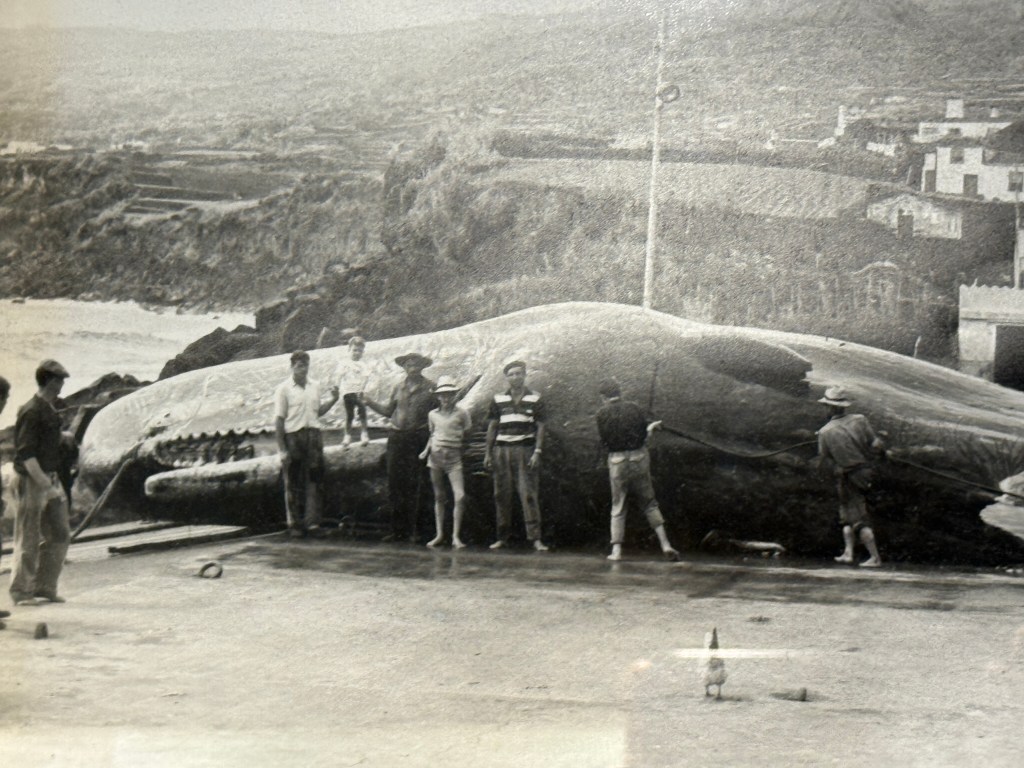
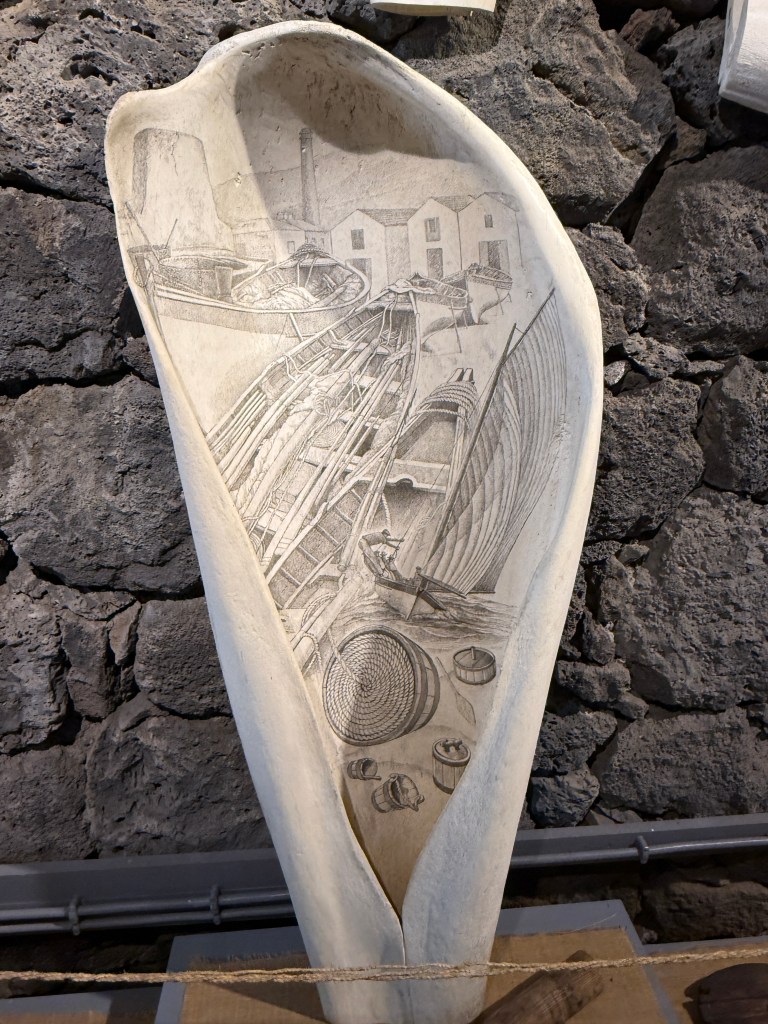
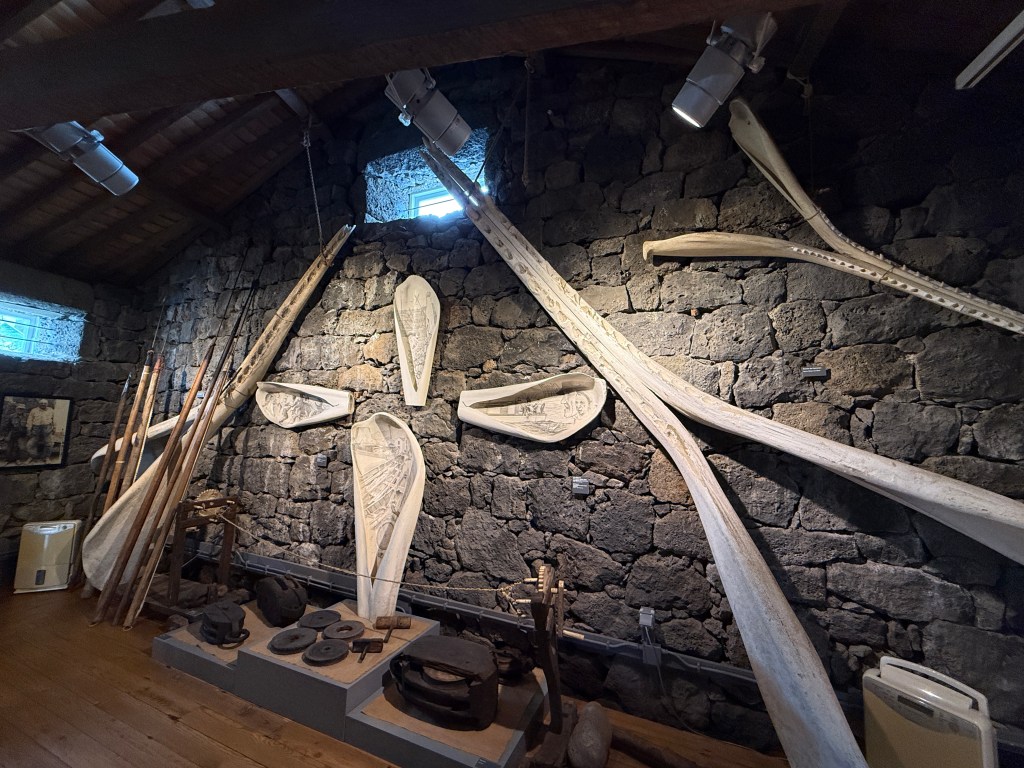
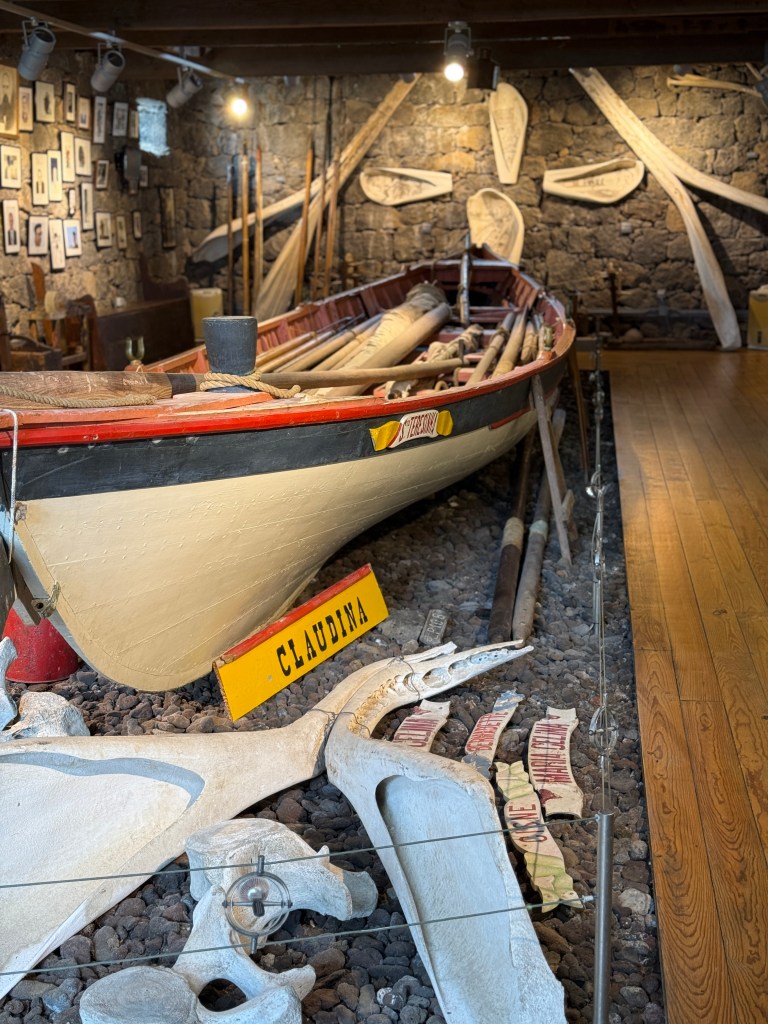
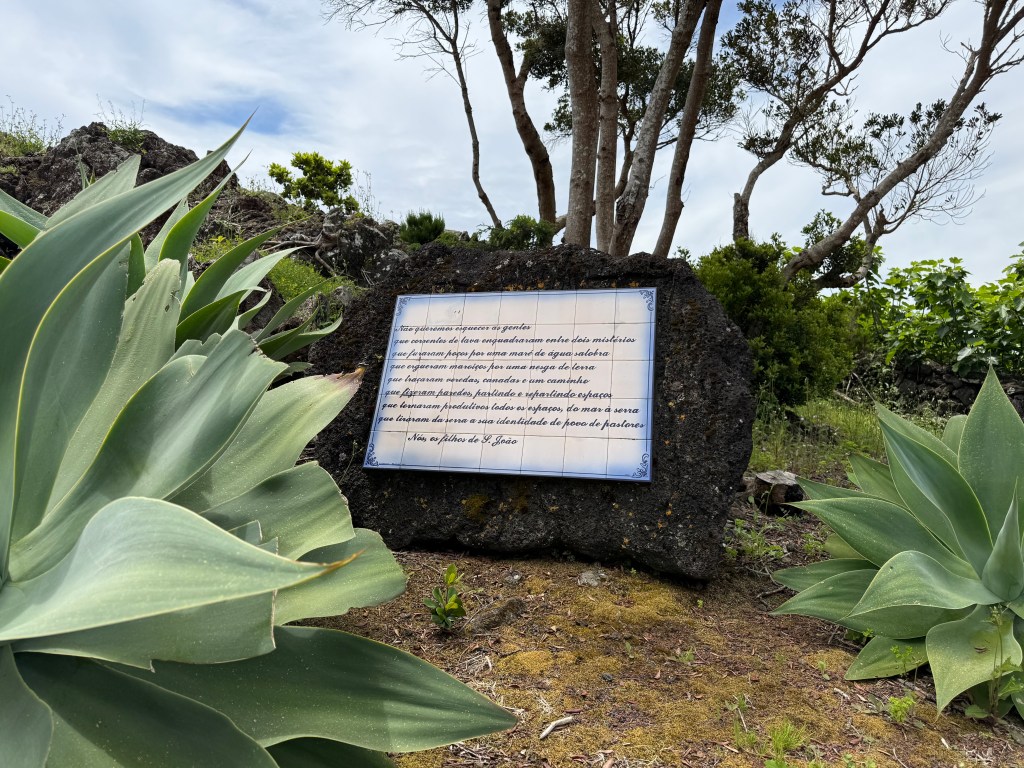
We spend the rest of the day driving around the island, visiting several other small towns, another museum about the processing of the whales and just admired the beauty of the island. Pico was established in the 1500s and it’s evident it’s a very old community that hasn’t strayed far from its founding traditions.




 And Life Goes On...